
Iranian Rial Hits Historic Low—What’s Behind the Currency Crash?
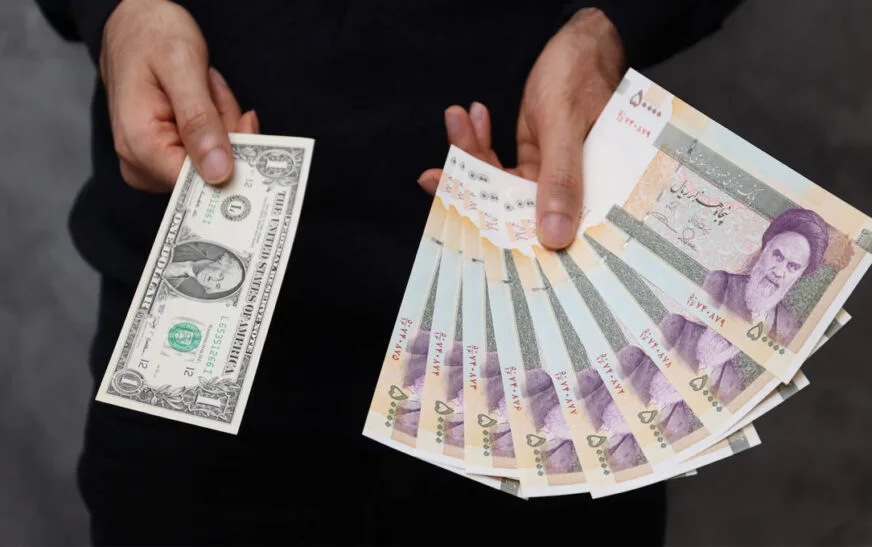
ISLAMABAD: Iran’s currency has fallen to a new record low against major foreign currencies, with the US dollar surpassing the 2 million Iranian Rial mark in the open market, according to Iranian media reports.
The Iranian Rial has remained under intense pressure, with the dollar climbing sharply in recent trading sessions. The greenback was trading at around 1.865 million Rial at the beginning of last week, meaning it has gained more than 7% in less than a week.
Compared with the same period last year, the dollar has now more than doubled in value against the Rial. At that time, the US currency was trading at approximately 958,000 Rial, highlighting the sharp deterioration in the Iranian currency over the past year.
Earlier on Sunday, the dollar was reportedly trading at around 1.98 million Rial in Iran’s open market. The British pound stood at approximately 2.70 million Rial, while the euro was trading near 2.31 million Rial.
The latest figures underscore the continued pressure on Iran’s currency market, where foreign currencies have reached unprecedented levels in the open market.
The developments could also have implications for Pakistani traders and investors who recently purchased Iranian Rial amid expectations of improved economic and trade relations between Pakistan and Iran. According to the report, Pakistanis purchased around 300 billion Iranian Rial several weeks ago following positive signals surrounding peace talks between the United States and Iran and expectations that reopening the Strait of Hormuz could help normalize global trade.
Around two months ago, 10 million Iranian Rial were reportedly being sold for between Rs4,500 and Rs5,000 in Pakistan’s open market. The relatively low price prompted some Pakistani investors to purchase the Iranian currency in anticipation of a possible recovery.
However, currency market experts and dealers had warned traders involved in Pakistan-Iran trade about significant volatility due to the substantial difference between official and unofficial exchange rates.
The latest decline highlights the risks associated with holding the Iranian currency, particularly as Iran’s foreign exchange market continues to experience sharp fluctuations and uncertainty.