



Pakistan Sets Deadline to End Petrol Price Controls

Pakistan Sets June 2027 Target to Deregulate Petrol Prices

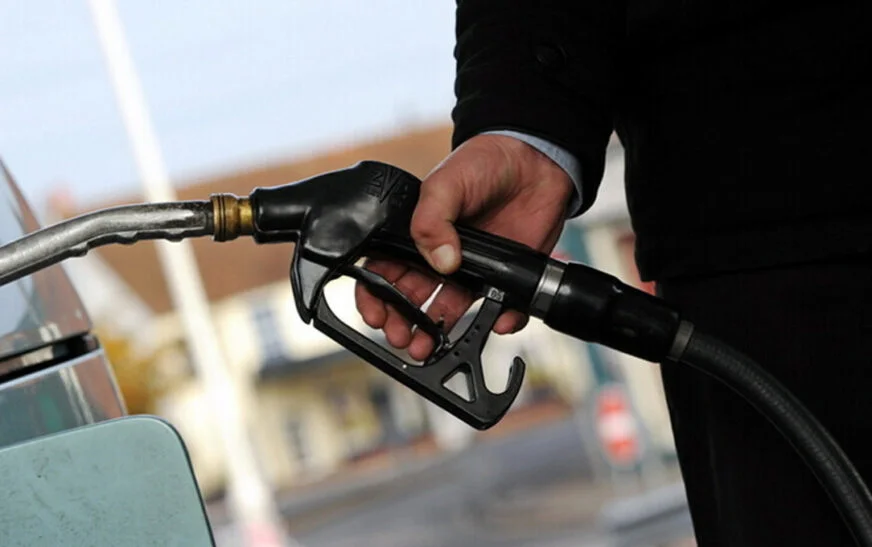
ISLAMABAD: The government has set June 2027 as an interim target to move towards deregulation of petrol prices as part of planned reforms to Pakistan’s petroleum pricing mechanism.

According to the report, the decision was discussed during a meeting of the Petroleum Pricing Committee, where officials reviewed preparations for major reforms in the pricing system for petroleum products.

During the meeting, the committee proposed bringing the petroleum pricing formula closer to prevailing market conditions. The proposed changes are aimed at gradually moving the pricing mechanism towards a more market-based system while ensuring that consumers are not exposed to sudden and excessive fluctuations in fuel prices.

The committee also discussed measures to deal with sharp changes in diesel prices. Officials stressed the importance of developing a clear mechanism that could manage sudden increases or decreases in petroleum prices and reduce the impact of market volatility on consumers.

Under the proposed reforms, the government plans to establish rules for handling significant fluctuations in fuel prices. The mechanism is expected to provide greater stability during periods of volatility in international oil markets while allowing domestic petroleum prices to gradually reflect market conditions.

The meeting also approved a new methodology for the Inland Freight Equalisation Margin (IFEM), which is an important component of Pakistan’s existing petroleum pricing framework.

IFEM is linked to the transportation and distribution of petroleum products across different parts of the country. Changes to its methodology are expected to form part of the broader reforms aimed at improving the efficiency and transparency of the petroleum pricing system.

The government has now identified June 2027 as an interim deadline for moving towards deregulated petrol prices. However, the transition will depend on the implementation of the proposed reforms, development of the necessary rules and successful changes to the petroleum pricing mechanism.

Officials have highlighted the need to balance market-based pricing with consumer protection. Any move towards deregulation could make domestic fuel prices more responsive to changes in global crude oil prices and other market factors.

The planned reforms are therefore expected to gradually change the way petrol and other petroleum products are priced in Pakistan. Rather than relying entirely on the existing controlled pricing mechanism, the government intends to bring the system closer to market conditions while introducing safeguards against extreme price volatility.

The move is being viewed as part of wider efforts to reform Pakistan’s petroleum sector and create a more efficient and transparent pricing framework. The effectiveness of the plan will ultimately depend on how the new mechanism is implemented and how successfully authorities manage the impact of international oil price fluctuations on domestic consumers.

More News