
Pakistan Moves to Cut Petrol, Diesel Prices with $6 Billion Refinery Upgrade
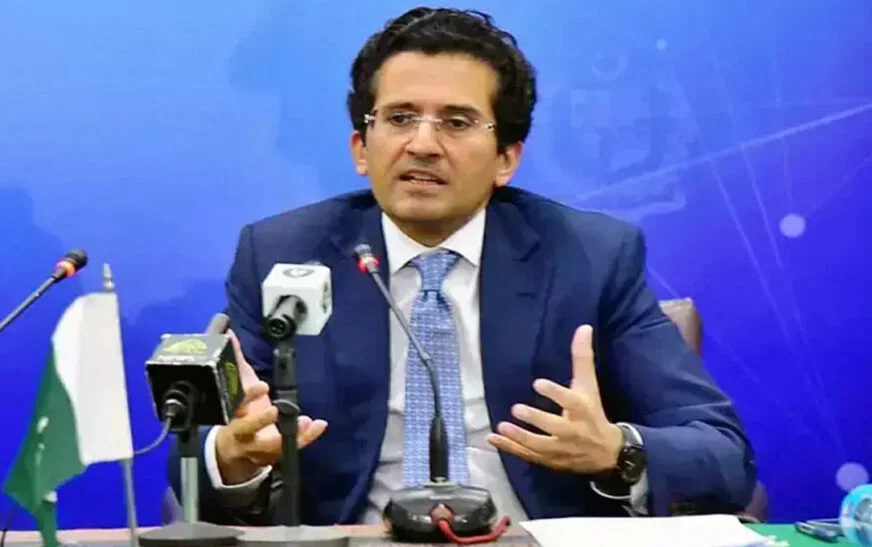
KARACHI: Pakistan is moving ahead with a major modernization of its oil refining sector, with upgrade agreements involving all five local refineries expected to be signed early next month, Petroleum Minister Ali Pervaiz Malik said.
The planned projects are expected to attract more than $6 billion in investment, increase domestic production of petrol and diesel, reduce reliance on imported fuel and strengthen Pakistan’s long-term energy security.
The petroleum minister held separate meetings in Karachi with the management of the country’s five refineries to review their modernization plans, financial and operational performance and wider energy-sector challenges.
The meetings also focused on implementation of the Brownfield Refinery Upgrade Policy, under which all five refineries have prepared for modernization agreements.
The refineries include PARCO, Pakistan Refinery Limited (PRL), Attock Refinery, National Refinery Limited (NRL) and Cnergyico. According to the minister, all five are ready to sign agreements, with the signing ceremony expected at the beginning of next month.
More than $6 billion investment expected
Ali Pervaiz Malik said the modernization projects would bring more than $6 billion in investment to Pakistan and play an important role in improving the efficiency and capacity of the domestic refining industry.
Upgraded facilities are expected to increase local production of Euro 5-standard petrol and other refined petroleum products. The modernization could also increase the production of higher-value fuels while improving overall refinery efficiency.
Focus on reducing fuel imports
The government expects improved refining capacity and modern technology to increase domestic production of petrol and diesel, potentially reducing Pakistan’s dependence on imported fuels.
According to the minister, greater local production could help save foreign exchange and improve the country’s energy security.
The upgrades could also contribute to lower petrol and diesel prices in the future. However, the final impact on consumers would depend on several factors, including international crude oil prices, taxes, duties, exchange rates and the domestic fuel-pricing mechanism.
Government pledges support
The petroleum minister assured refineries of government support in resolving issues that may arise during implementation of the upgrade policy.
He described modernization as essential for meeting Pakistan’s growing energy requirements, strengthening domestic fuel production and making the country’s energy supply chain more resilient.
During the meetings, PARCO also briefed the minister on progress regarding a proposed Oil City project in Hub, which is aimed at strengthening fuel supplies, improving trade and commercial links and promoting economic activity.
The government expects refinery modernization, along with related infrastructure projects, to reduce import dependence and provide broader benefits to Pakistan’s economy.