

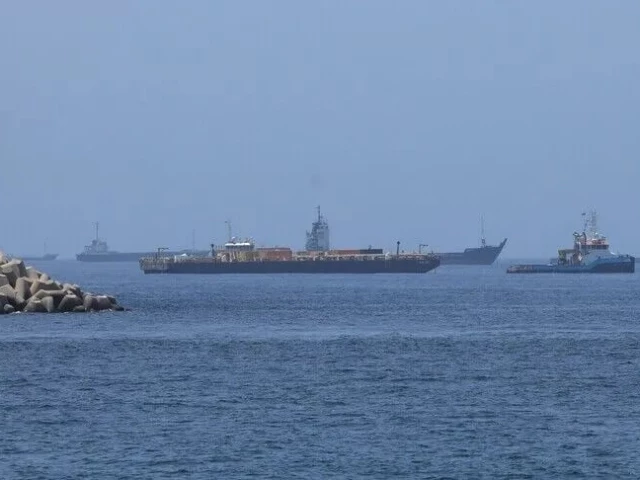
Saudi Arabia Resumes Oil Loadings Through Strait of Hormuz Amid Supply Concerns
Saudi Arabia has resumed oil loading operations from inside the Strait of Hormuz after a weeks-long halt, potentially easing pressure on global supplies of heavier crude grades, according to shipping data and trade sources.
Saudi Aramco resumed loading crude last week, with several tankers already carrying oil from Saudi terminals. The development comes after attacks on Saudi tanker fleets during an escalation in the US-Iran conflict last month forced the company to suspend sales and shipments through the strategically important waterway.
On Monday, Saudi Aramco offered some Asian refiners Arab Medium and Arab Heavy crude cargoes for loading this month through ship-to-ship transfers off Fujairah in the United Arab Emirates.
The return of Saudi exports could help address tight supplies of heavier crude, which are particularly important for producing residue fuel used by ships. These grades can also be further processed by refineries to produce higher-value fuels such as gasoline and diesel.
Shipping data showed that three very large crude carriers, or VLCCs, each loaded around 2 million barrels of crude from Saudi Arabia’s Juaymah and Ras Tanura terminals between August 12 and 16. The vessels were identified as Malaysia Prosperity, Algeria Prosperity and Singapore Prosperity.
Data from shipping trackers Vortexa and Kpler indicated that there had been a gap of around three weeks since the previous loading at the Saudi ports. The exact grades carried by the three tankers were not immediately known.
Saudi Aramco has not commented publicly on the resumption of shipments, while Sinokor, the company that owns the vessels, also did not respond to requests for comment.
Provisional Kpler data indicated that six additional VLCCs could load Saudi crude from inside the Strait of Hormuz later this month. Traders said Saudi Aramco could also use vessels operated by Saudi tanker company Bahri to transport crude through the waterway.
Seven Bahri-owned VLCCs were reported to be positioned off the coasts of the UAE and Oman, while two more were heading toward Fujairah, according to LSEG shipping data.
Despite the resumption of shipments through Hormuz, Saudi oil exports remain below normal levels because of disruptions in the Red Sea. The Yemeni Houthis have restricted shipping in the region, forcing Aramco to redirect some exports toward Yanbu.
Saudi Arabia has also offered additional crude cargoes for Asian buyers through Egypt’s Mediterranean port of Sidi Kerir. However, the alternative route has attracted limited demand because of longer voyages and higher freight costs.
Kpler data showed that around 670,000 barrels per day of Middle Eastern crude are expected to be loaded from Sidi Kerir for Asia this month, compared with no such shipments during the previous three months.
Market analysts said Asian buyers, particularly in China, remain reluctant to rely heavily on the longer and more expensive route. The partial return of Saudi shipments through the Strait of Hormuz could therefore provide some relief to refiners and help stabilize supplies of heavier crude in global markets.