
Under IMF Pressure, Rs860 Billion in New Taxes Proposed; Fuel Subsidy to Be Withdrawn in Upcoming Budget
Islamabad:Web Desk
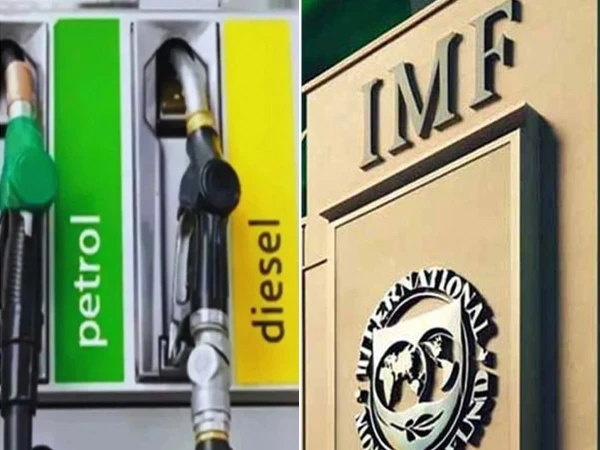
The federal government is finalizing preparations for the 2026–27 budget, with the total outlay expected to exceed Rs17 trillion. According to sources, Pakistan has assured the International Monetary Fund (IMF) that it will introduce Rs860 billion in additional tax measures in the coming fiscal year. A principled decision has also been made to withdraw subsidies on petrol and diesel as part of fiscal consolidation efforts.
Sources indicate that the IMF has proposed generating an additional Rs2 trillion through General Sales Tax (GST). For the first six months of the next fiscal year, the tax collection target is likely to be set at Rs7 trillion, with a cumulative target of Rs15.267 trillion by June 2027.
The proposed budget is expected to place an additional burden of Rs430 billion on the public. Of this amount, Rs215 billion would come from new tax measures, while another Rs215 billion is projected to be generated through stricter audits and enhanced enforcement. All four provinces are also expected to impose new taxes amounting to approximately Rs430 billion, potentially increasing the overall financial strain on citizens and businesses.
In terms of petroleum levy, the government aims to collect Rs1.727 trillion—Rs260 billion more than the current fiscal year. Economic analysts warn that withdrawing fuel subsidies could have a direct impact on transportation costs and the prices of essential goods, adding to inflationary pressures. Officials suggest that relief provided to certain sectors may be offset by increased taxation in others.
Agricultural income taxation remains a key concern. Despite commitments to the IMF, the government has struggled to effectively tax the agricultural sector. Although agriculture contributes around 25 percent to the national economy, its share in total tax collection is reported to be only 0.3 percent—an imbalance that has drawn attention from international lenders.
The federal government has also assured the IMF that it will accelerate the privatization of state-owned enterprises. Plans have been shared to gradually phase out tax incentives for Special Economic Zones by 2035. If full privatization of power distribution companies proves unfeasible, a proposal to merge certain entities is reportedly under consideration.
The government has decided in principle to sell between 51 and 100 percent shares of Islamabad Electric Supply Company, Gujranwala Electric Power Company, and Faisalabad Electric Supply Company by early 2027, transferring administrative control to the private sector. Overall, progress is reportedly underway on the privatization of 27 state-owned enterprises.
Meanwhile, delays have surfaced in the appointment of a new financial adviser for the Roosevelt Hotel in New York, raising concerns about the pace of the broader privatization agenda.
Economic experts believe the upcoming budget will focus heavily on fiscal discipline and revenue enhancement. However, they caution that managing the social and economic impact of these measures will be critical to maintaining economic stability and public confidence in the months ahead.