
Afghan Migrants Close Bank Accounts as KP Seeks Approval to Seize Assets
PESHAWAR: Dozens of Afghan migrants residing in Khyber Pakhtunkhwa have reportedly closed their bank accounts and withdrawn their funds amid intensified efforts to repatriate undocumented foreign nationals. At the same time, the provincial government has approached federal authorities seeking approval to take action against assets reportedly owned by undocumented Afghans living in Peshawar.
According to sources, authorities have collected information about businesses, properties and other assets owned by Afghan traders and migrants in Peshawar as part of an ongoing assessment of their financial holdings. The move comes amid increased government efforts to regulate the status of undocumented foreign nationals and facilitate their return to Afghanistan.
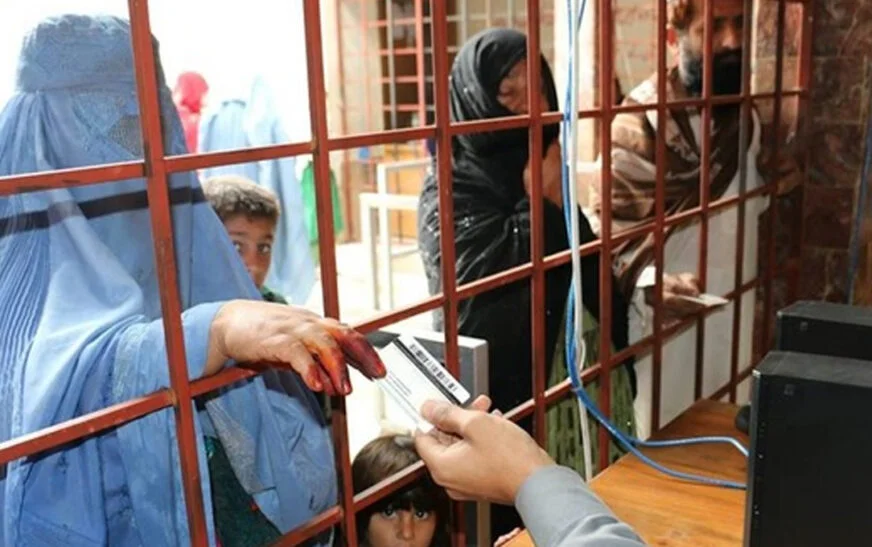
Banking sector sources said a significant number of Afghan migrants had previously maintained accounts with different banks across Peshawar and other parts of Khyber Pakhtunkhwa. Some accounts reportedly recorded transactions worth tens of millions of rupees through formal banking channels.
However, as the repatriation process has accelerated, more than 400 Afghan migrants across the province have reportedly withdrawn their funds and closed their bank accounts. Sources said several migrants withdrew amounts ranging from hundreds of thousands of rupees before terminating their accounts.
Despite the closures, bank accounts belonging to Afghan nationals reportedly remain active at several banks in Peshawar and other parts of the province. These accounts include those held by Afghans who are legally residing in Pakistan.
The provincial government has reportedly sought permission from the federal authorities regarding possible action against assets belonging to undocumented Afghan nationals in Peshawar. Officials are also examining information concerning businesses and other financial interests owned by Afghan traders as part of the broader repatriation-related process.
The reported developments come at a time when authorities are increasing measures aimed at identifying undocumented foreign nationals and enforcing existing regulations concerning their legal status.
Peshawar Schools Restrict New Admissions for Afghan Students
Meanwhile, a new policy has reportedly been introduced in government schools across Peshawar restricting the admission of new Afghan children to public-sector educational institutions.
According to a report published by Daily Mashriq, implementation of the policy has begun, preventing new admissions of Afghan students in government schools across the provincial capital.
Authorities have also sought details of Afghan students currently enrolled in private schools, along with records of students who have been expelled, withdrawn or removed from private educational institutions.
The Private Schools Regulatory Authority (PSRA), which regulates private educational institutions in Khyber Pakhtunkhwa, has reportedly directed schools in Peshawar to provide information regarding Afghan students enrolled in their institutions.
Sources said private schools have been asked to submit separate records identifying Afghan students who are currently enrolled and those who have been expelled or removed from the institutions.
Authorities have reportedly warned private schools that failure to comply with the directives could result in action against them. Sources said non-compliance may potentially lead to the cancellation of a school’s registration.
The latest measures indicate that restrictions concerning undocumented Afghan nationals are extending beyond immigration and repatriation matters to financial assets and access to public-sector education. The policies are expected to affect Afghan families residing in Peshawar, particularly those seeking new admissions for their children in government schools.
As authorities continue reviewing the legal status, assets and educational records of Afghan nationals, further decisions regarding undocumented migrants and their financial and educational access may follow.