
Animals Are Changing to Survive Around Humans
What if animals are evolving because of us—and doing it faster than ever?
Across the world, human activity is forcing animals to change the way they live, behave and even develop physically. Scientists say cities, pollution, climate change, hunting and other human activities are becoming powerful forces behind a new wave of rapid evolution.
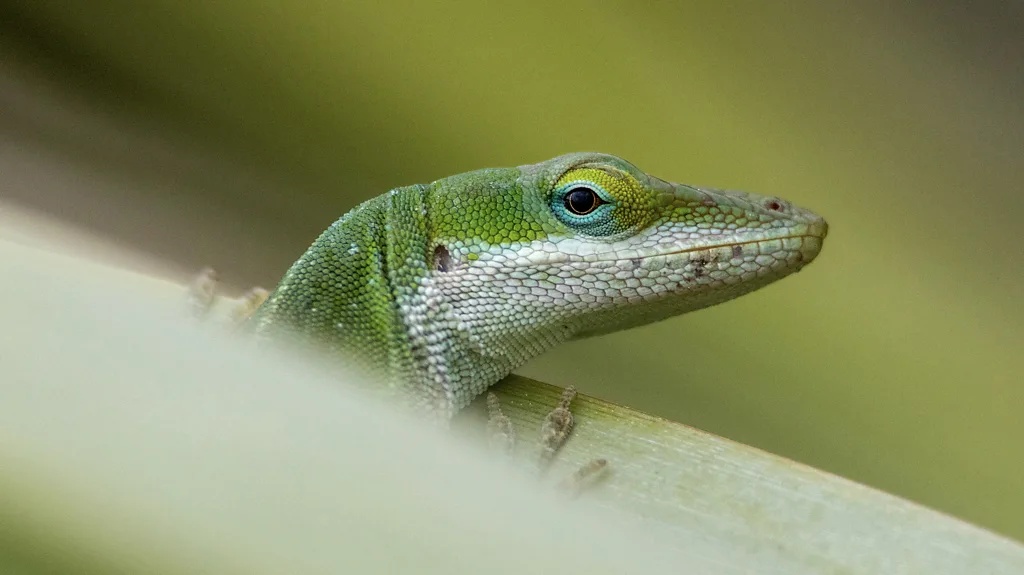
In Puerto Rico, urban anole lizards are a striking example. Lizards living in cities appear to have longer limbs and more toe scales than those living in forests. These changes help them grip smooth surfaces such as glass and metal and move across hot buildings and roads.
Cities can also provide unexpected benefits. Animals such as urban foxes and raccoons often have access to more food and fewer natural predators. Some species are becoming more comfortable around people, allowing them to survive and reproduce more successfully in crowded urban areas.
Birds are changing too. Many city birds have altered their songs so they can be heard over traffic and other urban noise. Some dark-eyed juncos have become less aggressive, started breeding earlier and changed where they build their nests.
But human influence goes far beyond cities. In some parts of Africa, more elephants are being born without tusks because poachers often target elephants with tusks. Without tusks, these elephants are more likely to survive and pass the trait to their offspring.
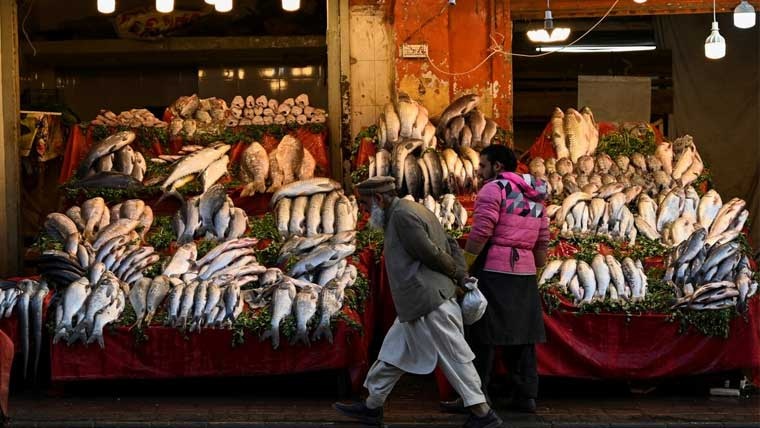
Some fish are also becoming smaller because fishing removes larger individuals, while Atlantic killifish have evolved resistance to toxic industrial chemicals.
Scientists call these rapid changes “contemporary evolution.” In some cases, animals can adapt within only a few generations.
However, not every species can change quickly enough. As humans continue to transform the planet, some animals may simply run out of time to adapt.
The message is clear: humans are not just changing the world around animals—we are changing the animals themselves.