
Big Change for UAE Students: No Homework for Young Kids, Less Screen Time in Class
Starting August 31, KG to Grade 2 students will have no homework, while Grade 6 students will see less screen use in key subjects
Dubai: A major change is coming to UAE classrooms — and parents of younger children may be especially happy about it.
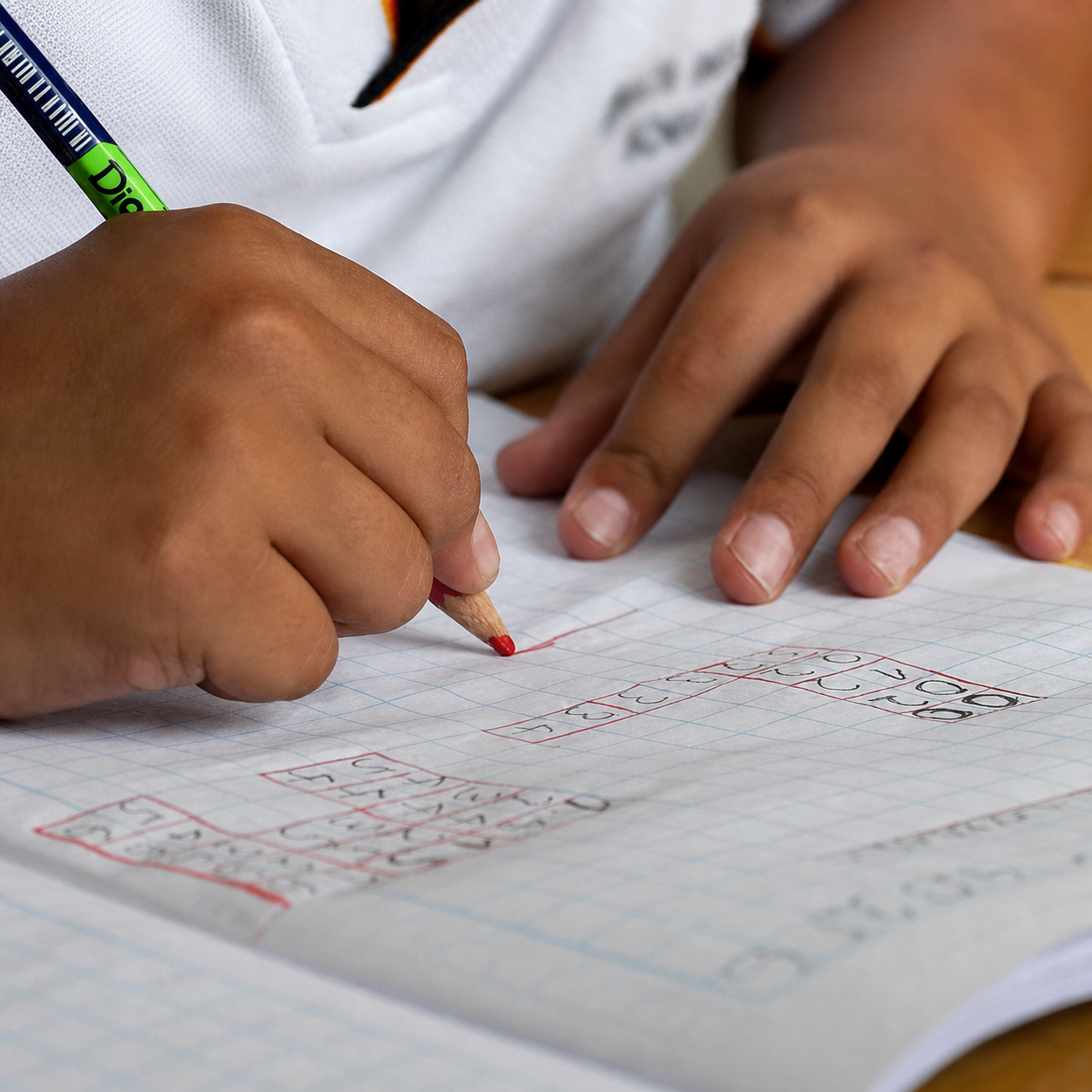
From the start of the 2026-27 academic year on August 31, students in Kindergarten, Grade 1 and Grade 2 at public schools and Ministry of Education-managed private schools will no longer be given traditional homework.
Instead of sending young children home with worksheets and assignments, the Ministry of Education wants them to spend time reading every day at home.
The move is part of a wider effort to reduce pressure on young learners and create a healthier balance between school, family life, play and rest.
Why is homework being removed?
The Ministry of Education says the decision is based on the developmental needs of young children.
Heavy homework at an early age can take away time from activities that are important for children, including sleep, play, family interaction and reading.
Rather than filling children’s evenings with worksheets, the ministry wants schools and families to focus on developing a lasting interest in learning.
The idea is simple: less pressure, more reading and more meaningful learning.
Grade 6 students will also get less screen time
The changes are not limited to homework.
The Ministry of Education is also expanding its digital tools initiative to include all Grade 6 students in public schools during the 2026-27 academic year.
Screen use will be reduced in key subjects including:
- Arabic
- English
- Mathematics
- Science
The aim is to give students more opportunities to strengthen fundamental academic skills while still using technology where it genuinely improves learning.
Did UAE schools find that less screen time works better?
The ministry’s decision follows a study conducted across nine public schools involving around 2,500 students.
The research compared classrooms where students used digital devices with classrooms where teachers relied more heavily on books, notebooks, pens and paper.
According to the ministry, students who were on the “borderline” — those the ministry particularly wanted to support in closing learning gaps — recorded significantly stronger attainment in classrooms without devices.
The ministry also reported that classrooms appeared calmer and more focused, with improvements in student interaction and peer relationships.
Is technology being removed from UAE schools?
Not at all.
The Ministry of Education has made clear that the goal is not to eliminate technology from classrooms.
Digital tools will continue to be used in subjects such as computer science and artificial intelligence, where technology is an important part of learning.
Instead, the ministry is taking a more targeted approach — using screens when they add real educational value and reducing them when traditional learning methods may work better.
More education reforms are coming
The homework and screen-time changes are part of a much broader transformation of the UAE education system for 2026-27.
Among the other changes is the introduction of Project-Based Learning in Grade 7, while students in Grades 9 to 12 will move towards a 50-50 assessment model combining centralised and school-based assessments in Group A subjects.
The ministry is also expanding Arabic language assessment for Grade 1 students, covering around 19,000 students in 162 public schools and 11,000 students in 130 private schools.
What does this mean for UAE families?
For parents of young children, the biggest change is clear: no more nightly homework for KG, Grade 1 and Grade 2 students.
Instead, families are being encouraged to make reading part of the child’s daily routine.
At the same time, Grade 6 students will spend less time looking at screens during some of their most important academic lessons.
The overall direction of the reforms is clear: UAE schools are moving away from simply asking students “What did you learn?” and towards a more practical question:
“How will you use what you learned?”
For students, that could mean fewer worksheets, less screen time and more opportunities to learn through reading, thinking, discussion and real-world application.