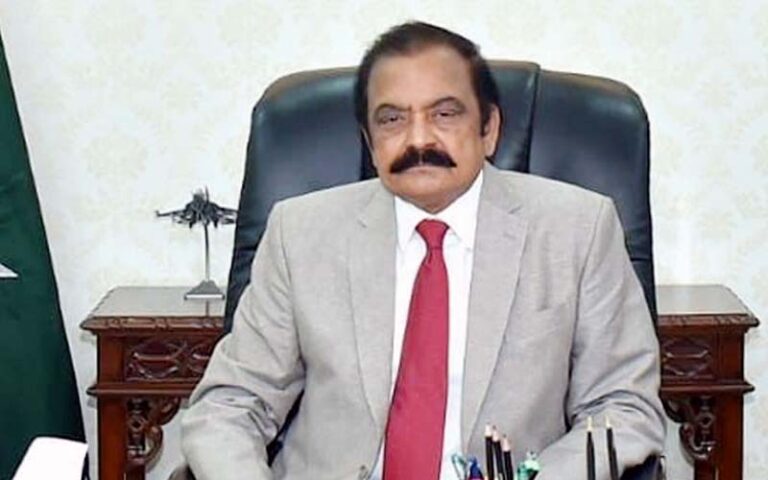

Pakistan needs more local leaders like Sadiq Khan, Mamdani: Naqvi
Interior Minister Mohsin Naqvi says people should be given the right to decide the administrative structure they want
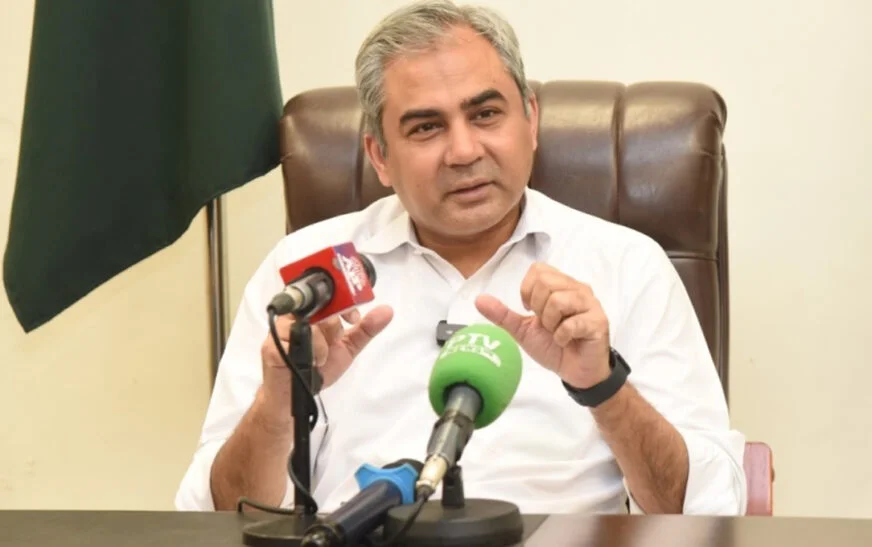
ISLAMABAD: Interior Minister Mohsin Naqvi has called for a positive and open debate on the creation of new provinces and administrative units, saying the people should ultimately be given the right to decide what type of administrative structure best serves their needs.
Speaking to Azad Digital, Naqvi said detailed discussions were underway regarding the creation of new provinces and that authorities would have to examine what administrative changes could be introduced in the future.
The interior minister pointed to local administrative systems operating in several parts of the world, particularly in Europe and the United Kingdom. He said Pakistan also needed stronger leadership at the local level and expressed a desire to see leaders emerge who could play roles similar to London Mayor Sadiq Khan, New York mayoral candidate Zohran Mamdani and Turkish President Recep Tayyip Erdogan.
Naqvi’s remarks come as debate over the creation of new provinces and administrative units gains momentum across Pakistan. The government has also accelerated preparations for a proposed new administrative structure for Islamabad.
A day earlier, Naqvi had said that the country’s system needed a “reset,” questioning why new provinces could not be created when new districts were already being established.
He said new administrative units would eventually be formed and that no individual, political party or representative could permanently prevent such a process.
Proposed new administrative model for Islamabad
Earlier, a high-level special committee presented Prime Minister Shehbaz Sharif with a proposed administrative model for Islamabad, including the establishment of a 27-member Islamabad Assembly.
Under the proposal, 21 members would be directly elected by the public, with seven seats allocated from each of Islamabad’s three National Assembly constituencies. The draft also includes five reserved seats for women and one seat for minorities.
The proposed Islamabad government would have 27 administrative departments, while its chief executive could be designated as either a chief minister or mayor.
Health, education, environment and municipal services would be transferred to the local government. However, key matters including law and order and master planning would remain under federal control.
The proposal also calls for a review of the powers and functions of institutions operating in the capital, including the Capital Development Authority (CDA). The committee has recommended transferring CDA powers and functions to the Islamabad local government, along with other institutions working under the Local Government Act.
The Election Commission of Pakistan would conduct elections for the proposed Islamabad Assembly, which would have administrative and financial autonomy similar to provincial governments.
The proposed government would formulate its own rules of business and operate through a chief secretary and four secretaries responsible for different administrative groups and departments.
Federal institutions serving the country as a whole would, however, continue operating in Islamabad.
The proposed model is part of a broader discussion on administrative reforms and the possible creation of new provinces and administrative units in Pakistan.