
228 Doctors Found Absent in KP Hospitals, Raising Fresh Questions
PESHAWAR: Questions have been raised over the availability of senior doctors and technical staff at major government teaching hospitals in Khyber Pakhtunkhwa, with an Independent Monitoring Unit (IMU) report highlighting significant absenteeism among doctors.
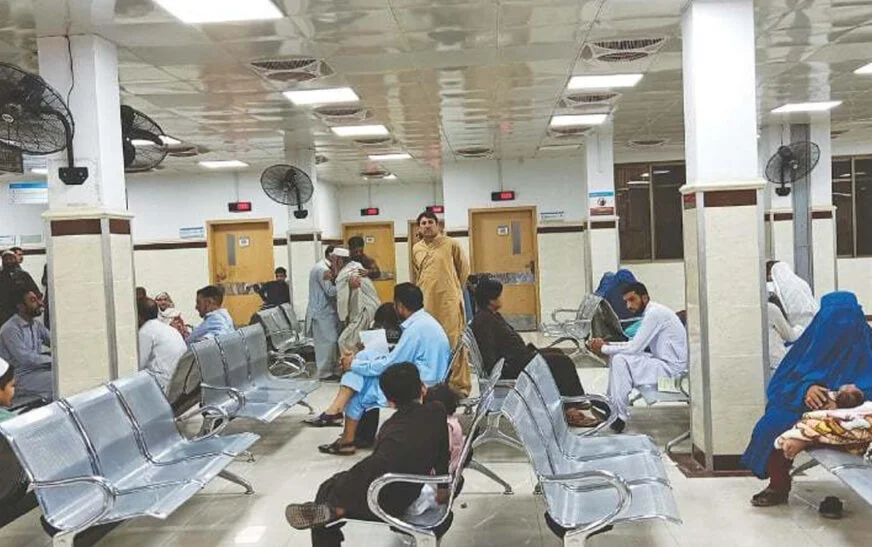
According to the report, patients and their attendants at public hospitals have complained that some senior consultants become unavailable after conducting their morning rounds, leaving much of the routine patient care to trainee doctors.
Gul Muhammad, a Peshawar resident whose father has been receiving treatment at Lady Reading Hospital (LRH) for the past seven days, said senior consultants often leave after morning rounds, while trainee doctors remain responsible for patients for much of the day.
Similar concerns have been raised regarding the availability of senior doctors at Lady Reading Hospital, Hayatabad Medical Complex (HMC) and Khyber Teaching Hospital (KTH). Patients have alleged that some consultants are not regularly available during official government duty hours while continuing to see patients at their private clinics.
The issue gained further attention after Hayatabad Medical Complex took action against a doctor over alleged failure to perform government duties and spending more time at a private clinic. The hospital administration confirmed the doctor’s dismissal, maintaining that it would not compromise on staff attendance and official responsibilities.
IMU Report Highlights Doctor Absenteeism
The Independent Monitoring Unit’s 2025 Health Performance Report has provided further data on the issue. According to the report, 228 out of 390 monitored doctors were recorded as absent during monitoring visits.
The report noted that attendance was comparatively better in major urban centres, while absenteeism was more prevalent at hospitals and health facilities located in remote areas.
The findings have raised concerns about the effectiveness of existing monitoring mechanisms and the availability of doctors in government-run healthcare facilities, particularly for patients who depend on public hospitals for affordable medical treatment.
However, hospital administrations have rejected allegations of widespread absenteeism and defended their existing attendance and monitoring systems.
Hospitals Reject Allegations
Lady Reading Hospital spokesperson Muhammad Asim said senior doctors and consultants remain available around the clock, particularly in emergency services. He added that the hospital operates an automated attendance system that covers employees ranging from support staff to the hospital director.
Similarly, Khyber Teaching Hospital spokesperson Sajjad Khan said doctors and consultants are available around the clock. He explained that consultants have responsibilities beyond patient treatment, including teaching at Khyber Medical College.
A senior Health Department official, speaking on condition of anonymity, linked some of the concerns to the Medical Teaching Institutions (MTI) system. The official alleged that complaints had surfaced in some cases regarding differential treatment of doctors and possible political influence.
Patients Demand Better Monitoring
Patients and their families have called for stronger monitoring of doctors’ attendance and greater accountability at public hospitals.
They said the issue has a particularly serious impact on low-income families, who often cannot afford treatment at private hospitals or clinics and therefore depend heavily on government healthcare facilities.
Patients have demanded that doctors remain available during official duty hours and that existing attendance systems be properly enforced.
The controversy has renewed calls for improved monitoring, transparency and accountability across government teaching hospitals in KP. While hospital administrations maintain that doctors are available and attendance systems are functioning, the IMU findings and complaints from patients have highlighted the need for closer oversight.
The issue remains significant for the province’s healthcare system, where public hospitals serve thousands of patients every day. Ensuring the availability of senior consultants and technical staff during official hours remains essential for timely treatment and quality healthcare.