
More Than Two Million Senior Citizens in KP Need Greater Protection, Dignity and Inclusion: World Elder Abuse Awareness Day
PESHAWAR : MUSSAWIR KHAN
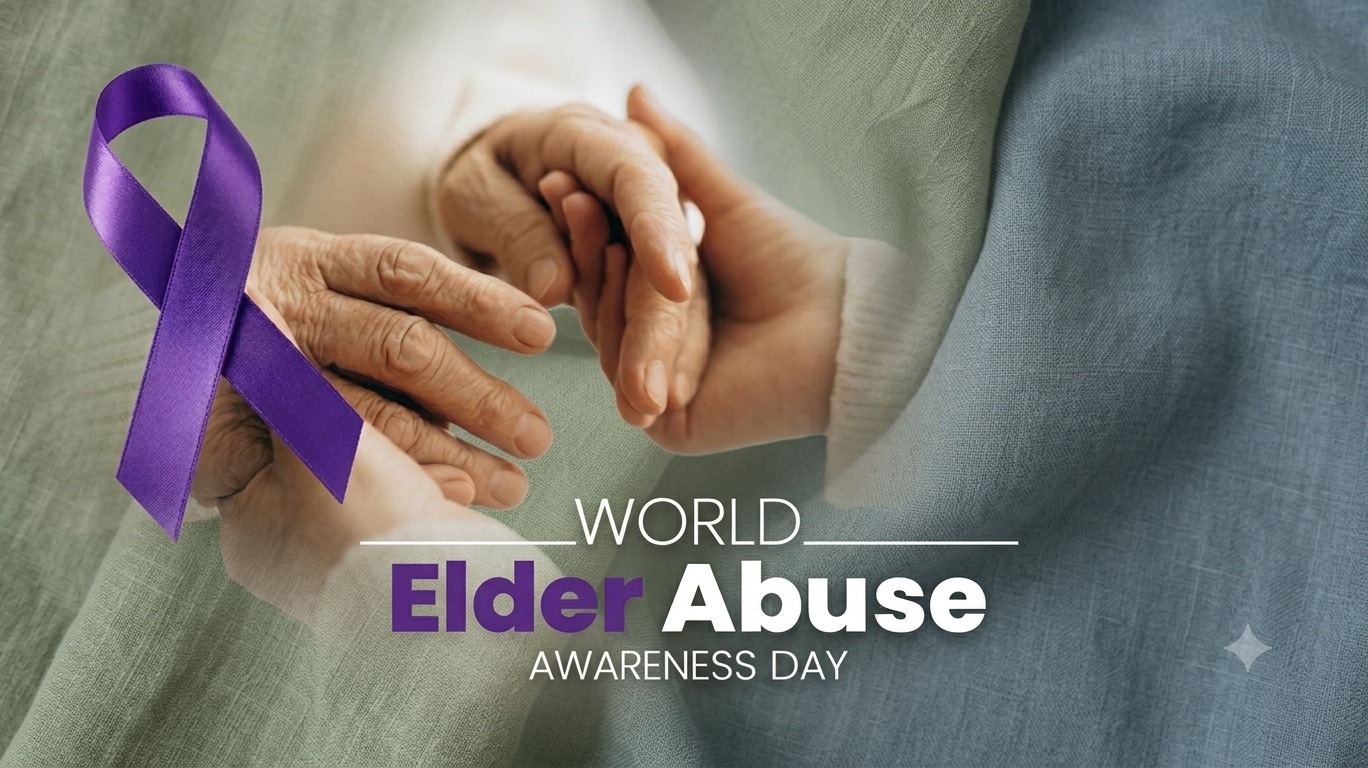
PESHAWAR, June 15: On the occasion of World Elder Abuse Awareness Day, representatives from human rights institutions, women’s rights bodies, and civil society organizations have called for stronger measures to ensure the protection, dignity, inclusion, and wellbeing of senior citizens in Khyber Pakhtunkhwa.
Observed every year on 15 June, World Elder Abuse Awareness Day (WEAAD) was initiated by the International Network for the Prevention of Elder Abuse in 2006 and formally recognized by the United Nations General Assembly in 2011. The day aims to raise awareness about the abuse, neglect, exploitation, discrimination, and exclusion faced by older persons while promoting efforts to safeguard their rights and wellbeing.
According to data compiled by the Foundation for Ageing and Inclusive Development (FAID), Khyber Pakhtunkhwa’s population stands at 40,641,120, including 2,085,727 people aged 60 years and above, accounting for 5.13 percent of the province’s total population. Among them, 1,168,984 are older men, 916,723 are older women, and 20 are transgender persons. These figures underscore the growing importance of ageing as a public policy issue requiring responsive healthcare, social protection, legal safeguards, and age-friendly services.
Dr. Sumera Shams, Chairperson of the Khyber Pakhtunkhwa Commission on the Status of Women (KPCSW), highlighted the specific challenges faced by older women.
“Older women often carry the double burden of age and gender discrimination. Many experience economic insecurity, social isolation, limited mobility, and barriers to healthcare, social protection, and legal support. Widows, women living alone, and those residing in remote rural areas are particularly vulnerable. Traditional social norms, low literacy levels, inadequate transportation, and limited digital access further restrict their ability to benefit from available services and opportunities. As our population ages, it is essential to strengthen community-based support systems and ensure that older women’s needs and voices are reflected in policies and programmes so they can live with dignity, security, and respect,” she said.
Rizwanullah Shah, Coordinator of the National Commission for Human Rights (NCHR), emphasized that elder abuse must be addressed as a human rights concern.
“Elder abuse is a human rights issue. Older persons have the right to live free from neglect, exploitation, violence, and discrimination. Strengthening the implementation of existing laws and improving access to justice and protection mechanisms must remain a priority,” he stated.
Qamar Naseem, Human Rights Activist and Program Manager at Blue Veins, stressed the need for effective implementation of the Khyber Pakhtunkhwa Senior Citizens Act, 2014.
“Respect for elders must extend beyond cultural values and become a public policy priority. More than a decade after the enactment of the KP Senior Citizens Act, significant implementation gaps remain. Older persons deserve accessible services, stronger protections, and institutions that actively safeguard their rights and dignity,” he said.
The speakers emphasized that with more than two million senior citizens residing in Khyber Pakhtunkhwa, ageing must be recognized as an increasingly important public policy priority. They called for the full implementation of the Khyber Pakhtunkhwa Senior Citizens Act, the reconstitution of the Senior Citizens Welfare Council, the strengthening of age-friendly healthcare services, and enhanced welfare and protection mechanisms for older persons, particularly older women.