
The Hidden Cost of Debt: Why Pakistan Cannot Afford to Sacrifice Girls’ Education
By Qamar Naseem
Write is a Human Rights activist and is Malala Fund Education Champion
Pakistan’s mounting debt burden is no longer merely a fiscal issue; it is increasingly becoming a development challenge with far-reaching implications for the country’s future. While borrowing has long served as an important instrument for financing development and addressing budget deficits, rising debt servicing costs are consuming an ever-larger share of national resources, leaving limited fiscal space for investments in education, health, and other critical social sectors. For millions of Pakistani children, especially girls, the consequences are profound.
According to the Ministry of Finance’s Budget in Brief 2025-26, Pakistan is projected to spend more than Rs. 8.2 trillion on debt servicing during the current fiscal year. Interest payments alone constitute nearly half of total federal expenditure, making debt servicing the single largest item in the national budget. This means that a substantial portion of public revenues is committed to meeting past obligations rather than investing in future generations.
While prudent debt management is essential for economic stability, the opportunity cost of rising debt repayments deserves equal attention. Every rupee spent servicing debt is a rupee unavailable for building schools, recruiting teachers, improving learning outcomes, expanding digital access, or supporting vulnerable children. In a country where human development indicators already lag behind regional peers, such trade-offs carry serious consequences.
The problem becomes even more alarming when viewed alongside Pakistan’s chronically low investment in education. According to the Pakistan Economic Survey 2024-25, public expenditure on education has declined to only 0.8 percent of GDP, one of the lowest levels in recent years and far below the internationally recommended benchmark of 4 to 6 percent. Such underinvestment threatens not only educational outcomes but also the country’s long-term economic competitiveness.
Education is not simply another sector competing for scarce resources. It is the foundation upon which sustainable development, economic growth, and social cohesion are built. Countries that have successfully transformed their economies have done so by investing heavily in human capital. Pakistan cannot expect to reap the benefits of its demographic dividend if millions of children remain excluded from quality education.
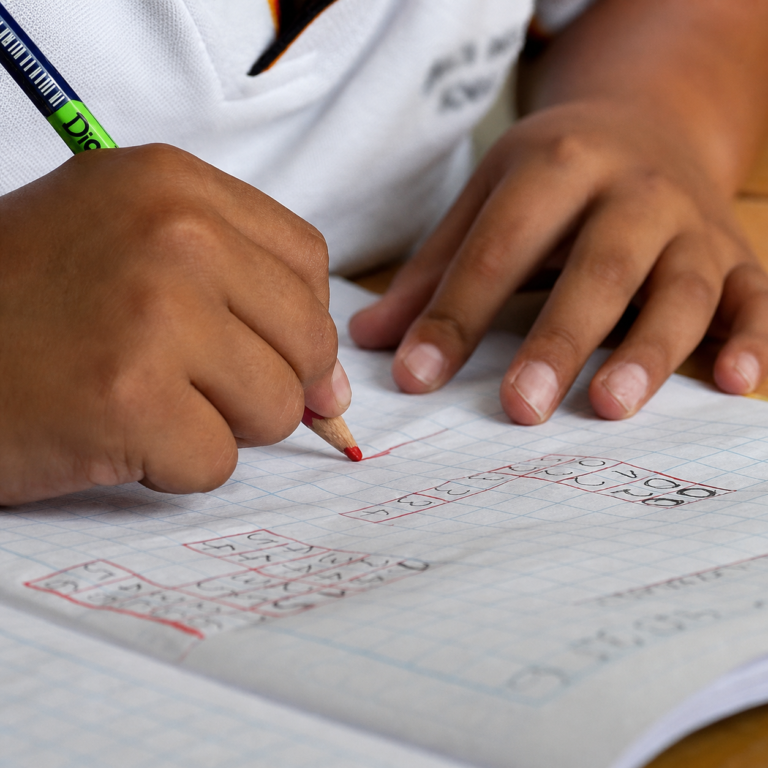
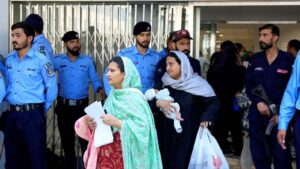
The scale of Pakistan’s education crisis is already staggering. According to UNICEF Pakistan, approximately 25.1 million children between the ages of five and sixteen are out of school, giving Pakistan the second-highest number of out-of-school children in the world. Behind this statistic lies a more troubling reality: girls constitute the majority of these children. Data from the Annual Status of Education Report (ASER) Pakistan indicate that nearly 55 percent of out-of-school children are girls, reflecting deep-rooted inequalities that continue to deny millions of girls their right to education.
Girls face multiple and intersecting barriers. Poverty, social norms, child marriage, insecurity, lack of transportation, inadequate sanitation facilities, and unpaid care responsibilities all contribute to lower educational attainment. When families encounter economic hardships, girls are often the first to be withdrawn from school. Financial pressures created by inflation, rising living costs, and shrinking public support further reinforce these inequalities.
The impact of constrained public spending is equally evident within the education system itself. Underfunded schools struggle with overcrowded classrooms, shortages of qualified teachers, inadequate learning materials, and deteriorating infrastructure. In many rural and underserved communities, the absence of gender-responsive facilities and safe school environments discourages girls from continuing their education. These challenges not only affect access but also undermine the quality of learning and long-term prospects for social mobility.
What makes this situation particularly troubling is that underinvestment in girls’ education imposes significant economic costs on society. Research consistently shows that educating girls generates substantial social and economic returns. Girls who complete secondary education are more likely to participate in the labor force, earn higher incomes, delay marriage, and have healthier families. Educated women contribute to productivity, poverty reduction, and stronger institutions. Conversely, denying girls access to education perpetuates cycles of poverty and inequality that ultimately constrain national development.
Pakistan therefore risks becoming trapped in a vicious cycle. Rising debt obligations reduce fiscal space for education and social services. Weak investments in human capital limit productivity and economic growth. Slower growth, in turn, reduces the state’s ability to generate revenues and manage debt sustainably. Breaking this cycle requires recognizing that debt sustainability and human development are not competing priorities; they are mutually reinforcing.
International experience offers important lessons. Countries that have invested strategically in education, even during periods of economic difficulty, have laid the foundations for long-term prosperity. Protecting social sector spending during fiscal crises is increasingly recognized as essential to achieving sustainable development. International financial institutions and development partners have also emphasized the importance of safeguarding investments in human capital while pursuing macroeconomic reforms.
Pakistan must adopt a similar approach. Responsible debt management remains necessary, but debt repayment cannot come at the expense of investments that determine the country’s future. Education financing must be treated not as a residual expenditure but as a strategic national priority. Increasing public spending on education, improving domestic resource mobilization, strengthening tax reforms, enhancing efficiency in public expenditure, and adopting gender-responsive budgeting are essential steps toward ensuring that fiscal consolidation does not undermine children’s rights.
Equally important is ensuring that girls remain at the center of education policies. Targeted scholarships, safe transportation, gender-sensitive school facilities, and social protection mechanisms can help prevent girls from dropping out during periods of economic stress. Investing in girls’ education is not merely a matter of social justice; it is an investment in economic resilience and national prosperity.
The question confronting Pakistan is therefore not simply how to repay its debts. It is how to balance present obligations with future opportunities. Debt repayments may satisfy creditors today, but investments in girls’ education determine the strength, stability, and prosperity of tomorrow. A nation that sacrifices its children’s education to service mounting debt risks mortgaging its future.
True fiscal responsibility should not be measured solely by balanced accounts and reduced deficits. It should also be measured by whether economic policies enable children to learn, communities to prosper, and societies to thrive. Pakistan cannot afford to overlook the hidden cost of debt. The country may succeed in servicing its loans, but if millions of girls remain excluded from classrooms, the price paid will be far greater than any fiscal deficit.